%2Ffit-in%2F250x250%2Fguide_websites%2F1834%2Fimages%2Fimageedit_1_3071424656.png&w=1920&q=100)
The Best Time for Walleye Fishing in Lake Huron
%2Ffit-in%2F1000x1000%2Ffilters%3Aformat(webp)%2Fguide_websites%2F1834%2Fimages%2Fdoug.jpg&w=1920&q=75)
Published: August 18, 2026
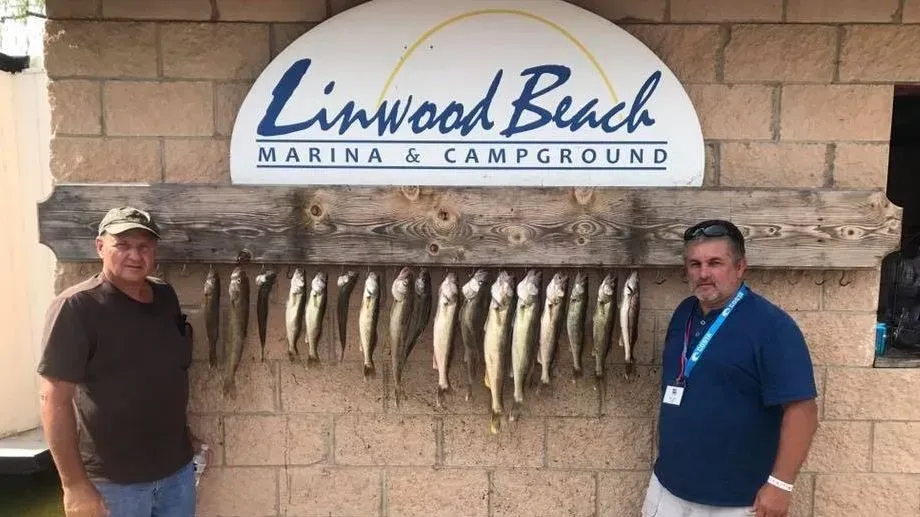
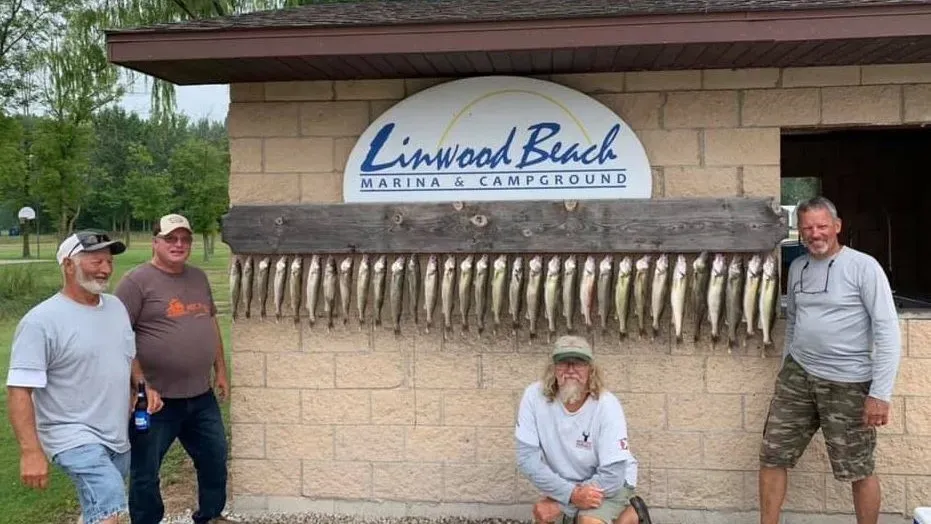
Success on the water often depends on more than choosing the right lure or fishing spot. Lake Huron walleye fishing changes throughout the year as water temperatures, spawning activity, and baitfish movement influence where fish gather and how actively they feed. Anglers who understand these seasonal patterns can better plan their trips and adjust their approach as conditions change. A little preparation before heading out can make every hour on the water more productive.
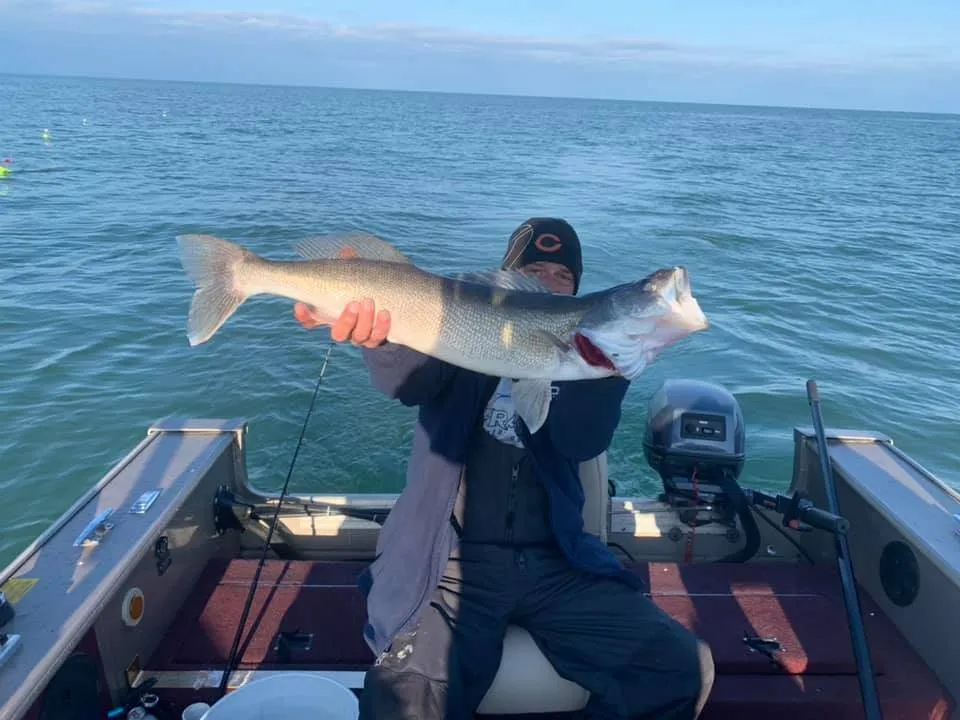
Why Walleye Activity Changes Throughout the Year
Walleye respond quickly to seasonal changes, especially shifts in water temperature. As conditions warm in spring, they move toward spawning areas before gradually spreading into feeding grounds. During the warmer months, they seek comfortable depths where food is plentiful, and water conditions remain stable.
Their movement is also closely connected to baitfish. Schools of forage relocate throughout the season, and walleye follow them to take advantage of reliable feeding opportunities. Wind, currents, and changing water clarity can all influence where these fish gather on any given day.
Anglers spending time fishing on Lake Huron often notice that productive locations change from one season to the next. Recognizing these natural patterns helps narrow the search, making it easier to focus on areas where fish are most likely to be feeding instead of relying on the same spots year-round.
The Best Seasons for Catching Walleye
Each season offers a different fishing experience because walleye adjust their location and feeding habits as lake conditions change. Understanding what happens during spring, summer, and fall helps anglers choose the right time to visit and adapt their techniques to match seasonal fish behavior.
Spring: The Start of Consistent Action
As water temperatures begin to rise after winter, walleye complete their spawning cycle and gradually return to regular feeding patterns. This period often provides steady action because fish remain close to spawning areas before gradually spreading into nearby feeding grounds.
- Fish Location: River mouths, shallow flats, reefs, and transition areas are common places to find post-spawn walleye before they move farther offshore.
- Water Conditions: Cool water keeps fish active for longer periods, allowing productive fishing during both morning and afternoon hours.
- Seasonal Opportunity: Walleye fishing in Saginaw Bay becomes increasingly productive in late spring as schools settle into nearby feeding areas.
- Presentation: Jigging, casting, or slow trolling can all produce results, depending on water clarity, wind, and fish activity.
- What to Watch: Small changes in temperature or wind can shift feeding fish, so checking multiple depths often leads to more consistent success.
Summer: Peak Opportunity for Most Anglers
Summer is widely considered one of the most dependable times to target walleye. As surface temperatures rise, fish settle into predictable feeding patterns and spend more time around deeper structures where conditions remain comfortable. Daily movements still occur, but they are generally easier to anticipate than during seasonal transitions.
- Fish Location: Walleye often hold near underwater humps, drop-offs, deeper flats, and the edges of submerged structure during the warmest months.
- Feeding Pattern: Early morning and the hours leading up to sunset are usually the most active, although stable weather can produce bites throughout the day.
- Popular Area: Walleye fishing in Saginaw Bay Michigan, attracts anglers throughout summer because the bay supports healthy fish populations and consistent seasonal movement.
- Fishing Method: Trolling is commonly used to cover larger areas and locate active schools before adjusting speed or lure selection.
- Changing Conditions: Wind can reposition baitfish overnight, so productive locations may shift even when the weather appears similar.
Fall: Feeding Before Winter
Cooling water triggers another change in walleye behavior. Fish begin feeding more aggressively as they prepare for winter, making fall an excellent season for anglers hoping to catch quality fish while enjoying lighter boat traffic than the summer months.
- Fish Location: Walleye move between deeper water and nearby feeding areas, often following schools of baitfish.
- Feeding Activity: Shorter days and cooler temperatures encourage longer feeding windows compared to the hottest part of summer.
- Seasonal Pattern: Walleye fishing Saginaw Bay often remains productive well into fall as fish continue chasing forage before winter arrives.
- Presentation: Both trolling and casting can be productive, depending on where fish are holding and the day's weather conditions.
- Weather Impact: Sudden cold fronts may slow the bite temporarily, while several days of stable weather often improve consistency.
Reading the Conditions Before You Leave the Dock
No matter the season, lake conditions can influence where walleye feed and how actively they respond. Spending a few minutes reviewing current conditions before launching helps anglers make better decisions once they're on the water.
- Water Temperature: Walleye prefer comfortable temperature ranges, so even a small increase or decrease can change the depth where they hold.
- Wind Direction: A steady wind often pushes baitfish toward certain shorelines or structures, attracting feeding walleye to those areas.
- Water Clarity: Clear water may require more natural presentations, while stained water often allows fish to feed more confidently.
- Cloud Cover: Overcast skies frequently extend feeding periods because reduced light makes walleye more comfortable in shallower water.
- Planning Resource: Reviewing a Lake Huron Fishing Report before your trip provides valuable information about recent catches, weather trends, and changing lake conditions.
Where Walleye Are Most Likely to Be During Each Season
Finding active walleye becomes easier when you understand how seasonal changes influence their preferred habitat. Fish move with changing water temperatures and food sources, making location just as important as timing.
- Shallow Flats
- Warm quickly during spring and attract baitfish.
- Hold post-spawn walleye before they move deeper.
- Rocky Reefs
- Provide feeding opportunities throughout spring and fall.
- Offer structure where baitfish commonly gather.
- Drop-Offs
- Connect shallow feeding areas with deeper water.
- Become productive as fish shift offshore in summer.
- Deep Basins
- Stay cooler during the warmest months.
- Commonly targeted by Saginaw Bay Fishing Charters in summer.
- Transition Zones
- Form where different bottom types meet.
- Create reliable feeding areas as baitfish move through them.
Planning a Productive Day on the Water
A successful trip begins long before the boat leaves the dock. Spending a few minutes preparing for the day's conditions can improve both your comfort and your chances of finding active fish.
- Choose the Right Time: Early mornings and the hours before sunset are often the most productive during summer, while cooler spring and fall days may provide longer feeding windows.
- Check Current Conditions: Reviewing a Lake Huron Fishing Report helps you understand recent catches, weather trends, and changing water conditions before heading out.
- Prepare for the Weather: Dress in layers and carry rain gear, as conditions on Lake Huron can change quickly throughout the day.
- Fishing License: Carry a valid fishing license and check current regulations before your trip to avoid unnecessary delays.
- Stay Flexible: Adjust your fishing depth, location, or presentation if conditions change instead of staying committed to one area all day.
Other Fish You May Catch During Walleye Season
Although walleye are the primary target for many anglers, Lake Huron offers opportunities to catch several other popular species during the same outing. Seasonal overlap often creates exciting mixed-species fishing throughout the year.
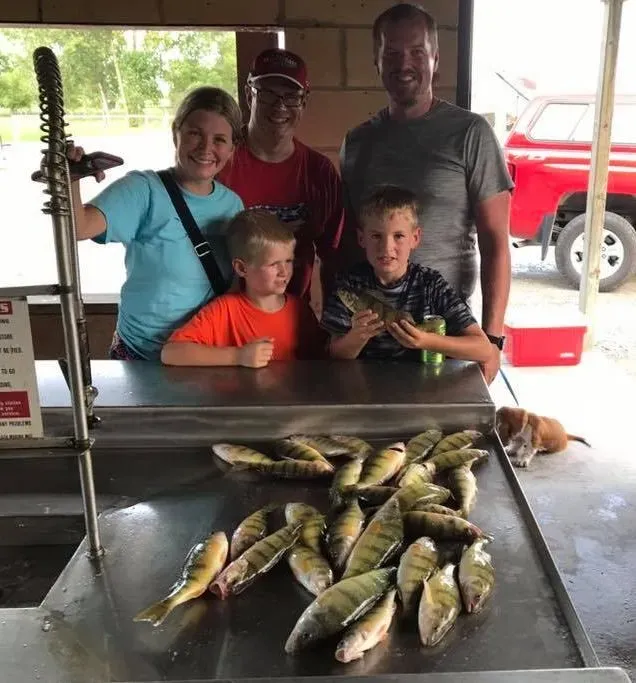
American Yellow Perch
American Yellow Perch are prized for both their taste and steady action. They commonly gather in schools, and their seasonal movements sometimes overlap with productive walleye areas, giving anglers another rewarding option during the trip.
Lake Trout
Lake trout prefer colder, deeper water and are frequently found during the warmer months. Their powerful fights make them a favorite among anglers looking for another exciting challenge.
Salmon
Chinook and coho salmon migrate through different parts of Lake Huron depending on the season. Their aggressive strikes and long runs add another dimension to the lake's fishery.
Smallmouth Bass
Rocky shorelines and reefs provide excellent habitat for smallmouth bass. While they aren't the primary target on most walleye trips, anglers occasionally encounter them when fishing structure.
How Windrift Sport Fishing Helps You Plan Around Seasonal Walleye Movement
Planning a trip around seasonal fish activity can make a noticeable difference in the overall experience. Water temperatures, weather conditions, and seasonal movement all influence where walleye are found, which is why choosing the right time of year is just as important as selecting the right location. Anglers also benefit from understanding what conditions to expect before arriving on the lake.
Windrift Sport Fishing offers guided trips designed around current seasonal conditions, helping anglers spend more time in productive areas as fish patterns change. Those interested in Fishing Charters Lake Huron Michigan can enjoy a structured outing while learning how seasonal movements influence fishing throughout the year. This approach provides both visiting and local anglers with a more informed and enjoyable experience on the water.
Conclusion
Successful fishing comes from understanding how walleye respond to seasonal changes rather than relying on the same approach throughout the year. Water temperature, fish movement, and daily conditions all influence where opportunities are likely to be found. Planning your trip around these natural patterns helps you fish more confidently and make better decisions once you're on the water. Lake Huron walleye fishing offers rewarding experiences from spring through fall, and the right timing can make every outing more enjoyable. Contact Windrift Sport Fishing to learn more about seasonal trips and available fishing dates.
FAQs
When does the Lake Huron walleye season usually begin?
Fishing activity typically increases during spring as water temperatures rise and fish finish spawning.
Which season is best for catching larger walleye?
Many anglers target late summer and fall because fish feed aggressively before winter.
How important is water temperature when fishing for walleye?
It plays a major role in determining where fish hold and how actively they feed.
Should I check fishing conditions before my trip?
Yes. Current lake conditions and weather forecasts help you plan a safer and more productive outing.
Are early morning trips better than afternoon trips?
During warmer months, early mornings and evenings often provide the most consistent action.
What should I bring on a charter trip?
Comfortable clothing, weather protection, food, drinks, and a valid fishing license are usually the essentials.
Can beginners enjoy walleye fishing on Lake Huron?
Yes. Understanding seasonal fish behavior and fishing with an experienced captain can make the learning process much easier.
What other fish might I catch while targeting walleye?
Yellow perch, lake trout, salmon, and smallmouth bass are among the species anglers commonly encounter.
Does wind affect walleye fishing?
Wind can reposition baitfish, which often causes walleye to move into new feeding areas.
How far in advance should I reserve a charter?
Booking ahead is recommended during the busiest spring and summer months to secure your preferred dates.