%2Ffit-in%2F250x250%2Fguide_websites%2F1834%2Fimages%2Fimageedit_1_3071424656.png&w=1920&q=100)
Complete Guide to Walleye Fishing in Saginaw Bay
%2Ffit-in%2F1000x1000%2Ffilters%3Aformat(webp)%2Fguide_websites%2F1834%2Fimages%2Fdoug.jpg&w=1920&q=75)
Published: August 18, 2026
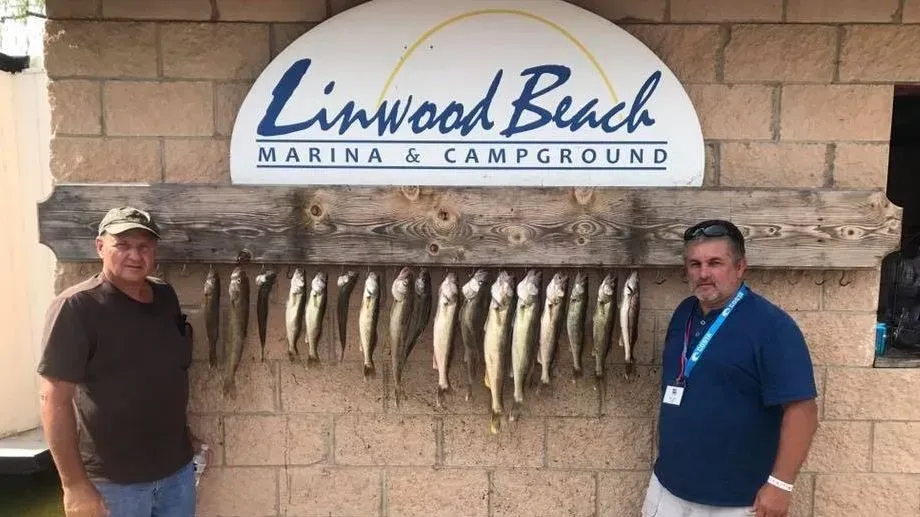
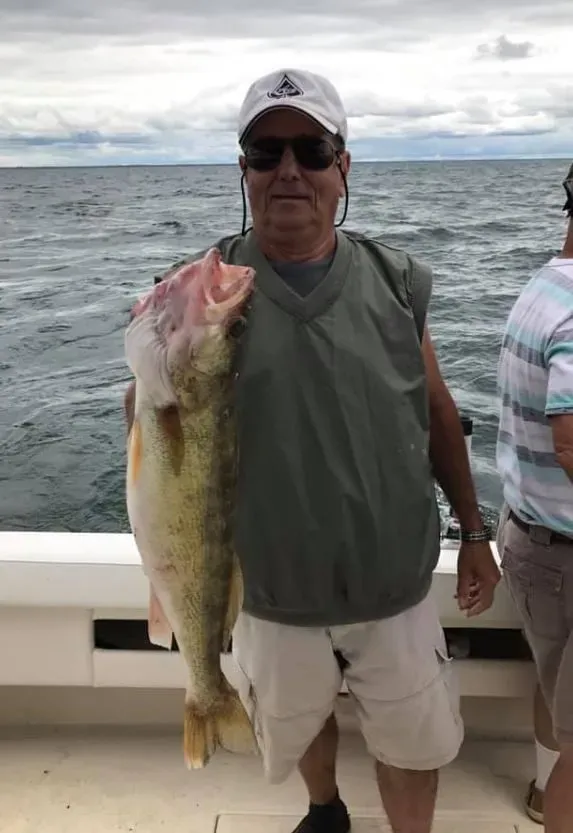
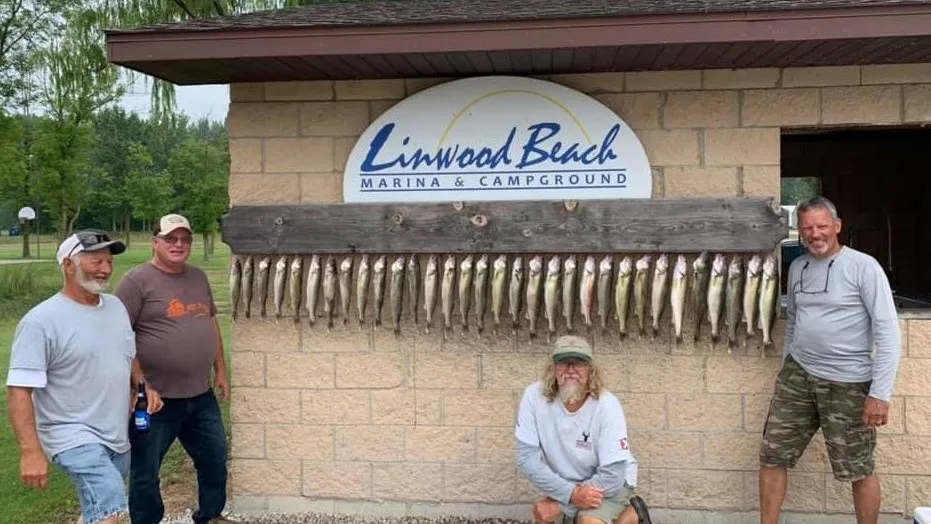
Saginaw Bay has become one of the most popular destinations for anglers hoping to catch quality walleye. Its connection to Lake Huron, diverse underwater structure, and healthy fish population create excellent fishing opportunities across multiple seasons. Success, however, depends on more than simply choosing a location. Walleye Fishing Saginaw Bay is often more rewarding when you understand how seasonal changes influence fish movement, feeding behavior, and daily activity.
Why Saginaw Bay Stands Out for Walleye Fishing
Saginaw Bay offers a mix of shallow flats, rocky reefs, deep basins, and transition areas that support walleye throughout much of the year. These changing habitats allow fish to move naturally as water temperatures and food availability shift between seasons.
Its connection to Lake Huron also contributes to a healthy ecosystem. Seasonal water movement and abundant forage help maintain productive fishing conditions, giving anglers opportunities from spring through fall.
These natural advantages are why Walleye fishing in Saginaw Bay continues to attract both experienced anglers and first-time visitors. Understanding how fish use different parts of the bay makes it easier to plan trips around seasonal conditions instead of relying on guesswork.
Understanding Seasonal Walleye Patterns
Walleye do not remain in the same areas throughout the year. As water temperatures change, they adjust where they feed, rest, and travel. Learning these seasonal patterns helps anglers choose productive locations and use techniques that match current conditions.
Spring: Active After the Spawn
As water temperatures begin to rise, walleye recover from spawning and gradually move into nearby feeding areas. Fish are generally easier to locate during this period because they remain close to spawning grounds before spreading farther across the bay.
- Fish Location: River mouths, shallow flats, reefs, and nearby transition areas often hold post-spawn fish.
- Feeding Activity: Walleye feed consistently as they regain energy after spawning, creating reliable fishing opportunities.
- Best Conditions: Cooler water temperatures keep fish active for longer periods, allowing productive fishing beyond the early morning hours.
- Recommended Approach: Walleye fishing in Saginaw Bay, Michigan is often productive with slow trolling, jigging, or casting around shallow structure.
Summer: Following Food Sources
As the bay continues to warm, walleye gradually shift toward deeper water where temperatures remain comfortable, and baitfish become more concentrated. Although fish spread across larger areas, their movement often becomes more predictable.
- Fish Location: Deeper flats, drop-offs, offshore reefs, and underwater structure become key holding areas.
- Feeding Activity: Fish are generally most active during early mornings, evenings, and other low-light periods.
- Best Conditions: Stable weather and consistent water temperatures often improve feeding patterns.
- Recommended Approach: Trolling larger sections of water helps anglers locate active schools before adjusting lure selection or speed.
Fall: A Great Time for Aggressive Feeding
Cooling water temperatures trigger another shift in walleye behavior. As winter approaches, fish spend more time feeding, making fall a rewarding season for anglers who adapt to changing lake conditions.
- Fish Location: Walleye move between deeper water and nearby feeding areas, often following schools of baitfish.
- Feeding Activity: Fish feed more aggressively as they prepare for colder months.
- Best Conditions: Stable fall weather and gradually cooling water often improve daytime fishing opportunities.
- Recommended Approach: Cover productive structures with trolling or casting presentations until active schools are located.
Productive Areas Across Saginaw Bay
Different parts of Saginaw Bay become productive at different times of the year. Understanding how these locations change with seasonal fish movement helps anglers narrow their search and spend more time fishing instead of looking for active schools.
- Inner Bay
- Produces consistent action during spring.
- Shallow water attracts post-spawn walleye.
- Outer Bay
- Becomes more productive as temperatures rise.
- Fish often spread across deeper water.
- Rocky Reefs
- Create natural feeding areas for walleye.
- Worth targeting during spring and fall.
- Drop-Offs
- Connect shallow and deep water habitats.
- Frequently hold fish during summer.
- Offshore Basins
- Offer cooler water in warmer months.
- Often explored while fishing on Lake Huron.
Techniques That Improve Walleye Success
Choosing the right technique depends on the season, water depth, and fish activity. Adjusting your presentation to match current conditions often produces more consistent results than relying on a single method throughout the year.
1. Trolling
Trolling is one of the most reliable techniques for covering the expansive waters of Saginaw Bay. It allows anglers to search multiple depths and locations without remaining in one area for too long. By adjusting lure depth, boat speed, and trolling direction, anglers can respond to changing fish activity and locate productive schools more efficiently, particularly during the warmer months when walleye are more widely dispersed.
2. Jigging
Jigging is an effective technique when walleye are holding close to the bottom around reefs, river mouths, or transition areas. The controlled up-and-down motion keeps the lure in the strike zone longer, making it a popular choice during spring and fall. Adjusting jig weight to match water depth and current helps maintain better lure control and presentation.
3. Bottom Bouncing
Bottom bouncing is useful for maintaining consistent lure depth while fishing over uneven lake bottoms. This technique allows anglers to present live bait or harness rigs close to the lake floor, where walleye often feed. It is particularly effective when fish are spread along drop-offs, flats, or underwater structure and require a slower presentation.
4. Casting
Casting works well when walleye move into shallower water to feed around rocky shorelines, reefs, or transition areas. It gives anglers the flexibility to target specific structures with greater accuracy than trolling. Varying retrieval speed and lure style based on water clarity and fish activity can improve success throughout changing seasonal conditions.
5. Adapting Your Presentation
No single technique works under every condition, which is why successful anglers continue making small adjustments throughout the day. Changing lure colors, trolling speed, retrieval style, or fishing depth based on water clarity, weather, and fish behavior often produces better results than relying on the same presentation from start to finish.
Planning Your Trip Before Launch Day
Preparing before your trip can save valuable fishing time once you're on the water. A few simple checks before leaving the dock help you adapt to changing lake conditions and enjoy a smoother experience throughout the day.
- Weather Forecast: Wind direction and wave conditions can influence both boating safety and where walleye are likely to feed.
- Lake Conditions: Reviewing a Lake Huron Fishing Report before your trip provides useful updates on recent catches, water temperatures, and changing fishing conditions.
- Essential Gear: Pack layered clothing, polarized sunglasses, sunscreen, food, and drinking water to stay comfortable throughout the trip.
- Fishing License: Carry a valid fishing license and review current regulations before heading onto the water.
- Launch Plan: Arriving early gives you more time to prepare your equipment and reach productive fishing areas before boat traffic increases.
How Windrift Sport Fishing Helps You Explore Saginaw BayHow Windrift Sport Fishing Helps You Explore Saginaw Bay
Planning a successful day on the water involves more than choosing a date. Seasonal fish movement, changing weather, and lake conditions all influence where walleye are likely to be found. Understanding these patterns helps anglers spend more time fishing productive water instead of searching for active fish throughout the day.
Windrift Sport Fishing offers guided trips across Saginaw Bay for anglers looking to enjoy one of Michigan's most productive walleye fisheries. Each outing is planned around current conditions, giving both new and experienced anglers the opportunity to fish confidently while learning more about seasonal patterns and the waters they are exploring.
Conclusion
A successful day on Saginaw Bay begins with understanding how seasonal changes influence fish behavior, location, and feeding activity. Choosing the right time of year, fishing productive areas, and using techniques that match current conditions all contribute to better results on the water. Walleye fishing in Saginaw Bay becomes even more enjoyable when preparation and timing work together to create consistent opportunities throughout the season. Contact Windrift Sport Fishing to learn more about planning your next fishing adventure on Saginaw Bay.
FAQs
1. When is the best time to fish for walleye in Saginaw Bay?
Late spring through early fall generally provides the most consistent fishing opportunities, although conditions vary each season.
2. What makes Saginaw Bay a popular walleye destination?
Its connection to Lake Huron, diverse habitat, and healthy forage support a strong walleye population.
3. Which technique works best during summer?
Trolling is commonly used because it helps anglers cover larger areas while locating active schools.
4. Should I check lake conditions before my trip?
Yes. Weather, water temperature, and recent fishing activity can all influence where fish are holding.
5. Do I need a fishing license to fish Saginaw Bay?
Yes. Anglers should have a valid fishing license before fishing and follow current state regulations.
6. Can beginners enjoy walleye fishing in Saginaw Bay?
Yes. The bay offers opportunities for anglers of all experience levels, especially with proper planning.
7. What other fish might I catch while targeting walleye?
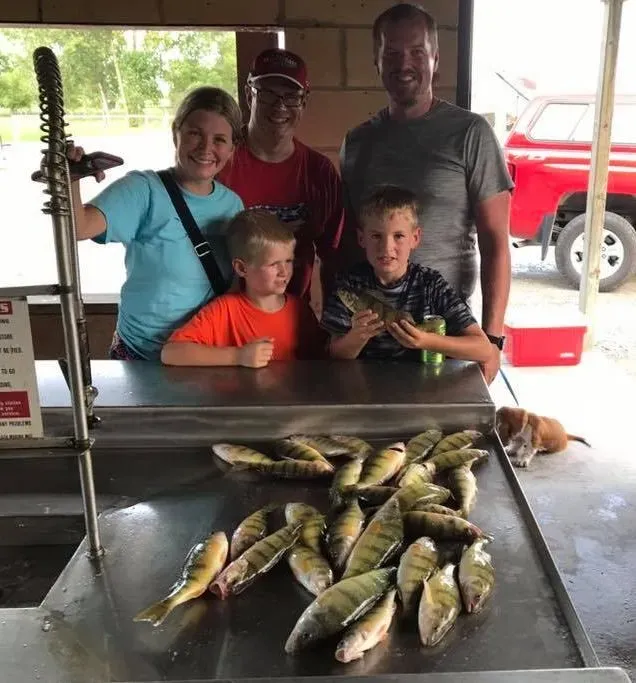
Depending on the season, you may also catch yellow perch, lake trout, or smallmouth bass.
8. Does weather affect walleye fishing?
Yes. Wind, water temperature, and cloud cover all influence fish movement and feeding activity.
9. How early should I arrive before launching?
Arriving early provides extra preparation time and helps avoid heavier boat traffic.
10. Are walleye found in the same areas all year?
No. Their location changes throughout the year in response to water temperature, spawning, and food availability.