%2Ffit-in%2F250x250%2Fguide_websites%2F1834%2Fimages%2Fimageedit_1_3071424656.png&w=1920&q=100)
How to Catch Yellow Perch in Lake Huron
%2Ffit-in%2F1000x1000%2Ffilters%3Aformat(webp)%2Fguide_websites%2F1834%2Fimages%2Fdoug.jpg&w=1920&q=75)
Published: August 18, 2026
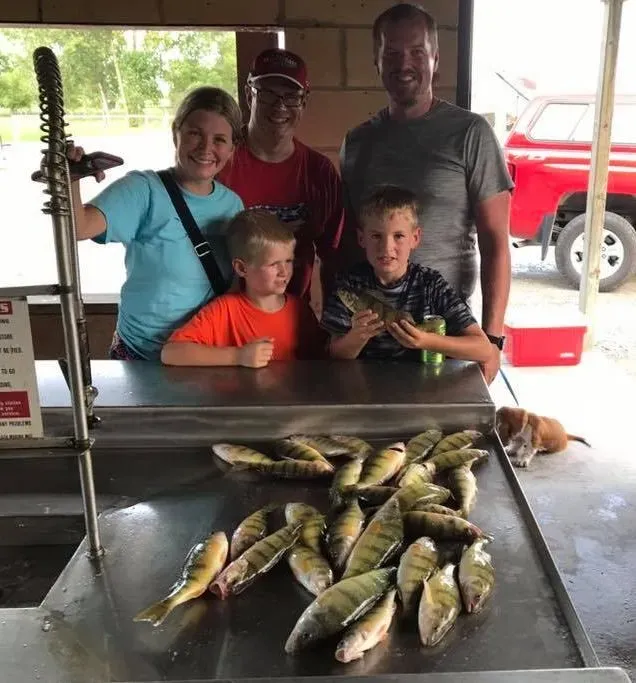
Catching yellow perch consistently requires more than dropping a line where other anglers are fishing. Their feeding habits, preferred habitat, and daily movement can change with water conditions, making preparation just as important as tackle selection. Understanding what attracts perch and how they respond to changing environments helps anglers make better decisions throughout the day. Yellow Perch Fishing becomes more productive when you focus on fish behavior instead of relying on luck.
Understanding Yellow Perch Feeding Habits
Successful perch fishing begins with understanding how these fish feed. Unlike many larger predators, perch often travel in schools and spend much of their time searching for small, easy meals along the bottom. Finding one active fish frequently means more are feeding nearby.
American Yellow Perch primarily feed on aquatic insects, small minnows, crustaceans, and other natural forage available throughout the lake. Their diet changes slightly as they grow, but they generally stay close to areas where food is easy to find and requires little effort to catch.
Feeding activity is also influenced by water temperature, light levels, and changing weather conditions. Perch may become more active during the early morning or later in the day, especially when comfortable water conditions encourage baitfish to gather in the same areas.
Signs You're Fishing in the Right Area
Finding yellow perch often depends on reading the water before making your first cast. Paying attention to a few natural indicators can help you identify productive locations instead of randomly moving from one spot to another.
- Bottom Composition: Sand, gravel, and light vegetation often provide ideal feeding areas where perch search for insects and small baitfish.
- Water Depth: Productive depths vary throughout the year, so adjusting your presentation can help you stay near active schools.
- Bait Activity: Visible baitfish movement is usually a good sign that feeding perch may be close by.
- Water Clarity: Clear and moderately stained water can both produce fish, but lure selection and presentation may need to change.
- Boat Position: Maintaining a steady position helps keep your bait in productive water longer instead of drifting away from active fish.
Baits and Lures That Produce Consistent Results
No single bait works every day, but matching your presentation to perch feeding habits greatly improves your chances of success. Smaller baits that resemble the perch's natural food often produce the most consistent action.
1. Live Minnows
Live minnows remain one of the most dependable choices because they closely resemble natural prey. Their movement attracts feeding perch, making them especially effective when fish are cautious or holding near the bottom. Fishing them slowly with light tackle often produces consistent results throughout changing conditions.
2. Small Jigs
Small jigs are versatile and allow anglers to cover different depths while maintaining excellent lure control. Pairing them with soft plastics or natural bait creates an attractive presentation that works well around weeds, gravel, and other productive areas where perch commonly feed.
3. Soft Plastics
Soft plastics are a practical option when anglers want to experiment with different colors, sizes, and presentations. Smaller grub-style bodies, paddle tails, or finesse plastics can imitate aquatic insects and baitfish that perch regularly feed on. Slow, controlled retrieves usually produce better results than aggressive movements, especially when fish are less active.
4. Perch Rigs
Perch rigs allow anglers to fish multiple hooks while keeping bait close to the bottom where perch often feed. They work well with live bait such as minnows or worms and are especially effective when schools are located. Adjusting sinker weight based on water depth and current helps maintain better contact with the bottom.
5. Spoons
Small spoons can be highly effective when perch are actively feeding. Their flash and vibration help attract fish from a distance, making them useful in slightly deeper water or areas with reduced visibility. Changing retrieval speed and adding occasional pauses often creates a more natural presentation that encourages strikes.
Where Yellow Perch Commonly Gather
Yellow perch rarely scatter randomly across the lake. They prefer locations that provide food, shelter, and comfortable water conditions, making these areas worth checking before moving elsewhere.
- Weed Beds
- Support insects and small baitfish.
- Offer feeding opportunities throughout the season.
- Gravel Bottoms
- Hold natural forage for feeding perch.
- Productive when using light tackle.
- Drop-Offs
- Connect shallow and deeper feeding areas.
- Often hold schools as conditions change.
- Submerged Structure
- Creates shelter for smaller prey.
- Frequently attracts a variety of fish species.
Small Changes That Can Lead to More Bites
Minor adjustments often have a greater impact than changing your entire fishing strategy. Paying attention to how perch respond throughout the day allows you to make simple changes that can improve your catch rate.
- Fish Slower: Reduce your retrieval speed and pause occasionally to keep the bait in the strike zone longer, giving cautious perch more time to react.
- Adjust Your Depth: If bites slow down, fish slightly deeper or shallower until you locate the depth where active schools are feeding.
- Use Lighter Tackle: Light rods, line, and smaller presentations create a more natural appearance, making them effective when perch are feeding carefully.
- Watch Your Line: Yellow perch often bite softly, so watching for slight line movement can help you detect strikes that are difficult to feel.
- Keep Moving: If a location stops producing fish, explore nearby areas instead of waiting too long. Active perch often remain grouped in schools rather than scattered throughout the lake.
Planning a Better Perch Trip
Good preparation allows you to spend more time fishing and less time solving problems after arriving at the lake. Checking conditions before leaving home helps you make better decisions once you're on the water.
Reviewing a Lake Huron Fishing Report before your trip can provide useful information about recent catches, weather patterns, and changing water conditions. It is also important to carry a valid fishing license, pack weather-appropriate clothing, bring enough food and water, and make sure your fishing equipment is ready before launching.
Choosing a Charter for Yellow Perch Fishing
Booking a charter can be a practical choice for anglers who want to maximize their time on the water while learning productive techniques for catching yellow perch. Local knowledge often helps reduce time spent searching for active schools and allows you to focus more on fishing.
Before reserving a trip, compare trip duration, seasonal availability, equipment provided, and guide rates to understand what is included. Choosing a charter that matches your experience level and fishing goals can make the outing more enjoyable and help you gain confidence fishing Lake Huron.
How Windrift Sport Fishing Helps You Target Yellow PerchHow Windrift Sport Fishing Helps You Target Yellow Perch
A productive perch trip often depends on fishing the right areas at the right time while adapting to changing lake conditions. Understanding fish behavior, weather patterns, and water conditions can make each outing more efficient and enjoyable for anglers of all experience levels.
Windrift Sport Fishing provides guided fishing trips designed to help anglers enjoy Lake Huron with experienced local knowledge and well-planned outings. From selecting productive fishing areas to adapting techniques as conditions change, each trip is organized to help anglers make the most of their time on the water.
Conclusion
Learning how yellow perch feed, selecting productive locations, choosing effective bait, and making small adjustments throughout the day can all improve your success on Lake Huron. Rather than relying on one technique, adapting to changing conditions often leads to more consistent results. Yellow Perch Fishing becomes more rewarding when preparation, patience, and observation come together on every trip. Contact Windrift Sport Fishing to start planning your next day on the water.
FAQs
1. What is the best bait for catching yellow perch?
Live minnows, worms, and small jigs are among the most productive choices because they closely resemble the natural food yellow perch feed on. Matching bait size to local forage often improves catch rates.
2. Where do yellow perch usually stay in Lake Huron?
Yellow perch commonly gather around weed beds, gravel bottoms, drop-offs, and submerged structure where food is plentiful. These areas provide feeding opportunities and protection, making them reliable places to begin searching.
3. What time of day is best for perch fishing?
Early morning and late afternoon are often productive because perch become more active during lower light conditions. However, weather, water temperature, and baitfish movement can influence feeding activity throughout the day.
4. Do yellow perch travel in schools?
Yes. Yellow perch usually travel and feed in schools, which means catching one fish often indicates that more are nearby. Staying in the same productive area can lead to multiple catches.
5. Is light tackle better for yellow perch fishing?
Light tackle improves lure presentation and helps anglers detect subtle bites more easily. It also provides better control when fishing smaller baits commonly used to target yellow perch in Lake Huron.
6. How can I find active schools of yellow perch?
Watch for baitfish activity, productive bottom structure, and changing water depth. Moving between likely holding areas instead of remaining in one location often helps anglers locate active schools more efficiently.
7. Should I check conditions before fishing Lake Huron?
Yes. Reviewing weather forecasts and current lake conditions before leaving home helps you prepare for changing conditions and increases your chances of planning a safer and more productive fishing trip.
8. Do I need a fishing license to catch yellow perch?
Yes. Anyone fishing for yellow perch should carry a valid fishing license and follow current Michigan regulations, including daily catch limits and any seasonal requirements that may apply.
9. Can beginners catch yellow perch successfully?
Yes. Yellow perch are an excellent species for beginners because simple equipment, smaller baits, and basic fishing techniques can produce consistent results when anglers focus on productive areas.
10. Why should I consider a guided perch fishing trip?
A guided trip provides local knowledge, efficient fishing strategies, and access to productive locations. It can shorten the learning curve while helping anglers gain confidence fishing Lake Huron under changing conditions.