%2Ffit-in%2F250x250%2Fguide_websites%2F1834%2Fimages%2Fimageedit_1_3071424656.png&w=1920&q=100)
Beginner's Guide to Perch Fishing in Lake Huron
%2Ffit-in%2F1000x1000%2Ffilters%3Aformat(webp)%2Fguide_websites%2F1834%2Fimages%2Fdoug.jpg&w=1920&q=75)
Published: August 18, 2026
Your first fishing trip doesn't need to be complicated. With a few basic supplies, a good location, and realistic expectations, anyone can enjoy a rewarding day targeting perch. Instead of worrying about advanced equipment or complicated techniques, beginners should focus on learning the basics that lead to consistent success. Perch Fishing is a great way to build confidence because it requires simple gear and offers plenty of opportunities to practice essential fishing skills on Lake Huron.
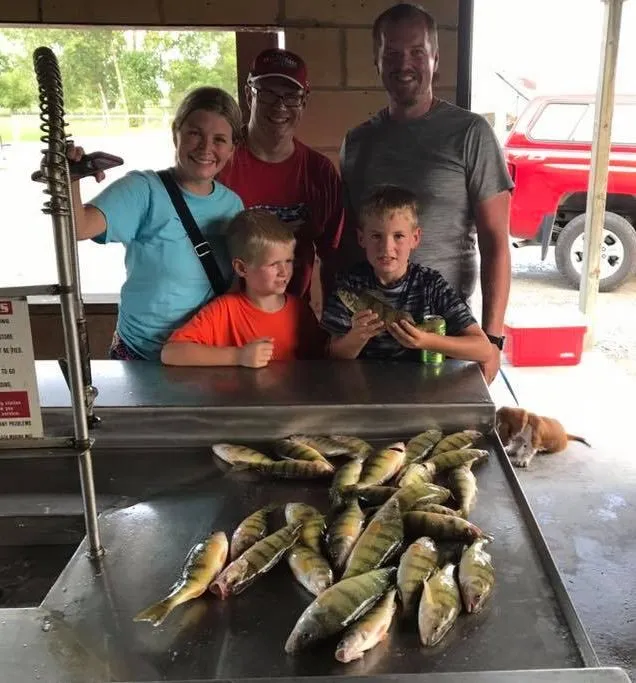
What You'll Need for Your First Perch Trip
Bringing the right equipment helps you spend more time fishing and less time dealing with avoidable problems. You don't need a boat full of expensive gear to catch perch, but having a few essentials makes the experience much more enjoyable.
- Rod and Reel: A light or ultralight spinning rod with a matching reel is easy to handle and sensitive enough to detect the gentle bites perch are known for.
- Fishing Line: Use a light line that allows your bait or lure to move naturally while making small bites easier to notice.
- Hooks and Sinkers: Carry several small hooks and a few split shot sinkers in different sizes so you can adjust your setup based on water depth.
- Bait: Live minnows and worms are excellent choices for beginners because they are easy to use and consistently attract American Yellow Perch.
- Basic Supplies: Pack needle-nose pliers, sunscreen, polarized sunglasses, drinking water, a small towel, and a bucket or cooler if you plan to keep your catch.
Where Should You Fish First?
Choosing the right location often has a bigger impact than changing bait or buying expensive equipment. Beginners should start in areas where perch naturally feed instead of moving constantly around the lake.
- Weed Edges
- Hold insects and small baitfish that attract feeding perch.
- Easy areas to fish without complicated techniques.
- Gradual Drop-Offs
- Allow perch to move between shallow and deeper water.
- Fish several depths before changing locations.
- Rocky Bottoms
- Provide natural feeding opportunities.
- Frequently attract different fish species.
- Protected Bays
- Often offer calmer water for beginners.
- Easier to fish during light wind conditions.
How to Set Up Your Rod in Five Minutes
A simple fishing setup is often the best choice for your first perch trip. Once your rod is ready, you can focus on learning how fish behave instead of adjusting complicated equipment.
- Thread the Fishing Line: Make sure the line passes smoothly through every guide on the rod before tying any tackle. Checking this first helps prevent tangles and improves casting.
- Tie on a Small Hook: Choose a small hook that matches the size of your bait. A properly tied knot keeps your tackle secure and gives beginners greater confidence while fishing.
- Add a Split Shot Sinker: Place one or two small split shot sinkers several inches above the hook to help your bait sink naturally. Using only the amount of weight needed keeps your presentation looking more natural and makes it easier to detect light perch bites.
- Bait the Hook Properly: Hook your bait securely so it stays on during casting while still moving naturally in the water. Avoid covering the entire hook point, as keeping it exposed improves your chances of getting a solid hook set when a perch bites.
- Check Your Setup Before Casting: Before making your first cast, make sure your knot is secure, the line isn't twisted, and the bait is still attached properly. Spending a minute checking everything can prevent unnecessary frustration once you begin fishing.
How to Know When a Perch Is Biting
Beginners often miss perch because the bite isn't always strong. Instead of expecting a hard pull on the rod, pay attention to small movements that indicate a fish is testing your bait.
You're Feeling Small TapsYou're Feeling Small Taps
Perch commonly bite with short, gentle taps before fully taking the bait. Resist the urge to jerk the rod immediately. Give the fish a brief moment, then lift the rod smoothly to set the hook.
Your Line Starts Moving
Sometimes the easiest way to detect a bite is by watching your fishing line. If it suddenly moves sideways, tightens unexpectedly, or begins drifting without the current, a perch may already have your bait.
Your Bait Feels Different
If your bait suddenly feels heavier or you notice unexpected resistance while reeling, avoid assuming you've snagged the bottom. Lift the rod gently because a perch may be holding the bait without producing a noticeable strike.
Beginner Mistakes That Are Easy to Avoid
Every angler makes mistakes while learning, but recognizing a few common ones can help you improve faster and enjoy a more productive day on the water.
- Changing Spots Too Quickly: Give each productive-looking area enough time before deciding to move to another location.
- Using Too Much Weight: Heavy sinkers reduce natural bait movement and can make subtle perch bites harder to notice.
- Ignoring Weather Conditions: Wind, clouds, and changing temperatures can all influence fish activity throughout the day.
- Setting the Hook Too Hard: A smooth lift is usually enough because perch have relatively soft mouths.
- Forgetting to Stay Patient: Fishing often requires observation and small adjustments rather than expecting immediate results.
Before You Leave for the Lake
A little preparation before leaving home can make your first perch fishing trip far more enjoyable. Spending a few minutes checking conditions and packing the essentials helps you focus on learning instead of solving problems after you arrive.
Before heading out, review the latest Lake Huron Fishing Report to understand recent fishing activity and expected weather conditions. Don't forget to carry a valid fishing license, pack extra drinking water, wear comfortable layered clothing, and let someone know where you'll be fishing if you're spending the day on the water.
Is a Guided Trip Worth It for Beginners?
If it's your first time fishing Lake Huron, hiring a guide can help remove much of the guesswork. Instead of trying to locate fish on your own, you can learn basic fishing techniques, understand how to read the water, and ask questions while gaining hands-on experience.
Before booking, compare what's included with each trip, such as equipment, bait, trip duration, and guide rates. Choosing a guide who welcomes beginners and explains each step of the fishing process can help you build confidence that carries over to future trips on your own.
How Windrift Sport Fishing Helps First-Time AnglersHow Windrift Sport Fishing Helps First-Time Anglers
Starting with the right guidance can make your first fishing experience more enjoyable and less overwhelming. Learning simple techniques, understanding where to fish, and gaining confidence on the water are often easier when you have experienced local knowledge to rely on throughout the day.
Windrift Sport Fishing welcomes anglers of all experience levels and focuses on creating enjoyable days on Lake Huron through well-planned guided trips. Beginners can learn basic fishing skills, become familiar with local conditions, and gain practical experience while spending more time fishing productive water with knowledgeable guidance.
Conclusion
Everyone starts as a beginner, and every fishing trip is an opportunity to learn something new. Focusing on simple equipment, choosing productive locations, and paying attention to small details will help you improve with every outing. Perch Fishing doesn't require years of experience to be enjoyable, just patience, preparation, and a willingness to keep learning. Contact Windrift Sport Fishing to take the next step toward a memorable day fishing Lake Huron.
FAQs
1. Is perch fishing a good choice for someone who has never fished before?
Yes. Perch are considered one of the best fish for beginners because they can be caught using simple equipment, basic techniques, and affordable bait, making the learning process less overwhelming and more enjoyable.
2. What type of rod should I use for my first perch fishing trip?
A light or ultralight spinning rod is an excellent choice because it is easy to handle, improves bite detection, and works well with the smaller hooks and bait commonly used for perch.
3. What bait gives beginners the best chance of catching perch?
Live minnows and worms are excellent starting options because they are easy to use and closely resemble the natural food perch regularly feed on throughout Lake Huron during much of the year.
4. How do I know if I'm fishing in a good location?
Look for areas with weeds, rocks, gradual depth changes, or visible baitfish activity. These features often attract perch and provide beginners with practical places to start fishing confidently.
5. Do I need expensive fishing equipment to catch perch?
No. A basic spinning rod, light fishing line, small hooks, and natural bait are usually enough for beginners to catch perch successfully without investing in expensive fishing equipment or specialized tackle.
6. What should I do if I don't catch anything right away?
Stay patient and make small adjustments before changing locations. Try fishing at a different depth, slowing your presentation, or moving a short distance to locate an active school of perch.
7. Is checking the weather important before fishing?
Yes. Weather conditions influence fish activity, water movement, and overall safety. Reviewing the forecast before leaving home helps beginners prepare appropriately and enjoy a more comfortable fishing experience.
8. How can I tell when a perch is biting my bait?
Perch often bite gently, so watch for small taps, slight line movement, or unexpected resistance while reeling. Paying attention to these subtle signs helps beginners recognize strikes more consistently.
9. Should I fish alone on my first trip?
Fishing with a friend or experienced angler can make your first trip more enjoyable. You'll receive helpful advice, gain confidence more quickly, and have assistance if questions arise on the water.
10. Can I improve even if my first trip isn't successful?
Absolutely. Every trip teaches valuable lessons about equipment, fish behavior, and water conditions. Applying what you learn each time will gradually improve your confidence and fishing success.