%2Ffit-in%2F250x250%2Fguide_websites%2F1834%2Fimages%2Fimageedit_1_3071424656.png&w=1920&q=100)
Best Baits and Techniques for Walleye Fishing in Saginaw Bay
%2Ffit-in%2F1000x1000%2Ffilters%3Aformat(webp)%2Fguide_websites%2F1834%2Fimages%2Fdoug.jpg&w=1920&q=75)
Published: August 18, 2026
Choosing the right bait is only part of catching walleye consistently. The way that bait moves through the water, the depth you fish, and how you respond to changing conditions can all affect your results. Saginaw Bay offers different fishing situations throughout the year, so one presentation may work well while another produces little action. Learning how natural forage influences bait selection and understanding a few dependable techniques gives anglers a stronger starting point for walleye fishing in Saginaw Bay.
What Walleye Are Feeding On in Saginaw BayWhat Walleye Are Feeding On in Saginaw Bay
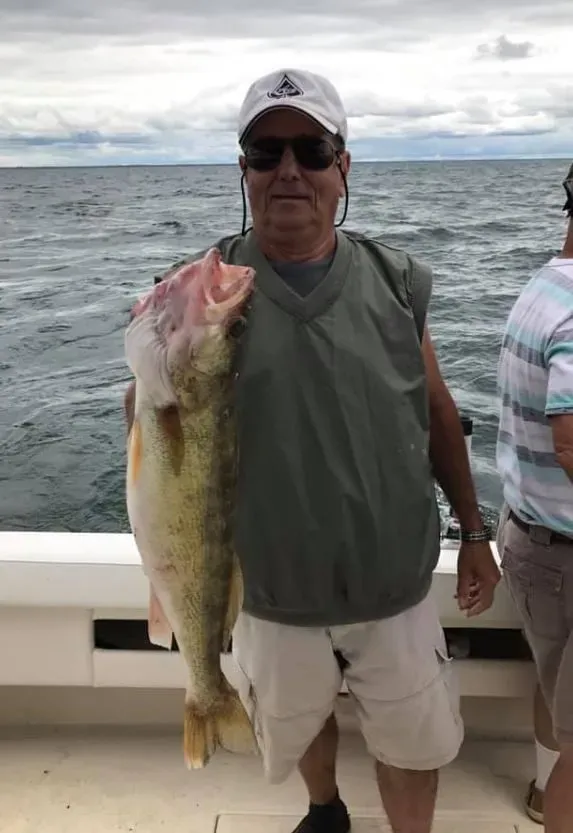
Walleye are opportunistic feeders, and their diet can change according to available forage, water conditions, and fish size. Small baitfish are important food sources, while insects and other aquatic organisms can also become part of their diet. Paying attention to what is naturally available can help you choose a presentation that looks familiar to feeding fish.
Bait selection should also reflect the way you plan to fish. A live minnow may be useful when you want a slower, natural presentation, while a spoon or minnow-style lure allows you to cover more water. Matching lure size and movement to the available forage can make your presentation more convincing.
The Baits Worth Having in Your Tackle Box
You don't need dozens of lure styles to get started. A small selection of proven natural and artificial options gives you enough flexibility to change presentations when fish respond differently throughout the day.
Live Minnows
Live minnows provide natural movement and scent that can attract walleye when fish are feeding cautiously. They can be presented at different depths with appropriate rigs and weights, allowing anglers to keep the bait near areas where fish are actively holding. Their natural appearance makes them particularly useful when aggressive lure action isn't producing consistent strikes.
Nightcrawlers
Nightcrawlers are versatile and can be used with crawler harnesses when trolling for walleye. Their movement and scent create an appealing presentation while allowing anglers to cover larger areas of water. Keeping the crawler in good condition is important because a damaged or poorly threaded worm may spin incorrectly and produce less natural movement behind the boat.
Artificial Minnows
Minnow-style artificial lures are useful when anglers want to search large areas without constantly replacing live bait. Their size, shape, and swimming action can imitate the smaller fish walleye commonly pursue. Different diving depths allow you to target fish at various levels of the water column, making these lures particularly useful when fish locations change during the day.
Small Spoons
Small spoons create flash and vibration as they move through the water, helping walleye locate the lure when visibility is limited or fish are spread across deeper areas. They can be trolled at controlled speeds and adjusted to different depths. Changing the speed or adding occasional pauses can alter the spoon's action and sometimes trigger hesitant fish.
Match the Bait to the Way You're Fishing
The same bait can behave very differently depending on how it is presented. Choosing your technique first can make it easier to decide which bait, lure, or rig belongs at the end of your line.
Trolling
Trolling is useful when walleye are spread across a large area because it allows you to search while keeping your bait moving consistently. Crawler harnesses, spoons, and minnow-style lures can all be used, with depth and speed adjusted according to where fish are holding.
Casting
Casting gives you more control when fish are concentrated around shallower structure or specific feeding areas. Minnow-style lures and smaller jigs can be worked through productive water while you vary retrieval speed, pauses, and direction to find the movement that generates strikes.
Bottom-Oriented Presentations
Keeping a presentation close to the bottom can be effective when walleye are holding near structure or feeding along the lake floor. The goal isn't to drag the bait continuously. Maintain enough contact to understand the depth while allowing the bait to move naturally.
Five Techniques That Make Baits More Effective
Having a productive bait doesn't guarantee bites. Small changes in speed, depth, direction, and movement can make the same lure considerably more effective under changing conditions.
1. Control Your Trolling Speed
Trolling speed affects how a lure moves and how quickly it reaches different parts of the water column. Start at a controlled pace, then make small adjustments when fish aren't responding. A minor speed change can make a lure appear more natural or create enough movement to attract an interested walleye.
2. Keep the Bait in the Strike Zone
Finding the right depth is often more important than simply fishing deeper. Use your equipment and observations to keep the bait close to the level where walleye are holding. If bites consistently occur at one depth, maintain that zone instead of repeatedly changing depths without a reason.
3. Change Direction During Trolling
Turning the boat changes the speed and angle of your lures. Outside lines may slow down while inside presentations accelerate, creating different actions at the same time. These changes can trigger a following walleye that ignored a lure moving at a constant speed.
4. Vary Your Retrieve
Casting allows you to experiment with pauses, lifts, drops, and steady retrieves. Start with a controlled movement and change one part of it at a time. If fish follow without striking, slowing the presentation or adding a brief pause may make the lure easier to take.
5. Change One Variable at a Time
Changing bait, color, depth, speed, and location simultaneously makes it difficult to understand what improved the results. Alter one factor first, observe what happens, and then make another adjustment if necessary. This approach helps you learn which presentation works under the conditions you're facing.
How to Know When Your Current Presentation Isn't WorkingHow to Know When Your Current Presentation Isn't Working
Knowing when to change tactics can prevent you from spending hours repeating an unproductive approach. The right adjustment depends on what you're seeing rather than simply changing lures at random.
- No Bites After Several Passes: Change depth or speed before completely abandoning the area.
- Fish Follow but Don't Strike: Slow the retrieve or alter the lure's movement to make it less predictable.
- Bites Stop Suddenly: Check whether fish have shifted depth before switching to a completely different presentation.
- Only Small Fish Respond: Consider changing location or increasing bait size if larger walleye are your target.
Choosing Colors, Sizes, and Lure Action
Color and lure size should support the conditions rather than follow a fixed formula. Water clarity, available forage, light levels, and fish activity can all influence which presentation gets noticed and produces a strike.
- Clear Water: Natural-looking colors and realistic baitfish profiles can blend with available forage without appearing overly aggressive.
- Stained Water: Stronger contrast and noticeable movement can help walleye locate the lure when visibility is reduced.
- Bright Conditions: Moderate flash and natural finishes can create a visible presentation without becoming excessively bright.
- Low Light: More noticeable movement or contrast can help fish track the bait during dawn, dusk, or cloudy conditions.
- Matching Forage: Keep lure size reasonably close to the baitfish or other food sources walleye are actively pursuing.
When to Switch From Bait to an Artificial LureWhen to Switch From Bait to an Artificial Lure
The choice between natural bait and an artificial lure should depend on what the fish are doing. There is no need to change simply because one option is considered more popular. Let the response from the fish guide the decision.
Natural Bait Makes Sense When...
Live bait can be useful when walleye are feeding cautiously or responding better to slower presentations. Minnows and nightcrawlers provide natural movement and scent, which can help when aggressive artificial lure action isn't producing consistent strikes.
Artificial Lures Make Sense When...
Artificial lures become especially useful when you need to search larger areas or locate active fish. Spoons and minnow-style lures allow you to cover water efficiently without repeatedly replacing bait, making them practical for active walleye.
Change One Thing Before Changing Everything
If your current setup isn't producing, start with one adjustment. Change the depth, speed, color, or lure style and give it enough time to show a response. Keeping your fishing license and other required documents ready is also part of being prepared for a day on the water.
What to Do When Walleye Stop Biting
A quiet period doesn't automatically mean the fish have disappeared. Walleye may have changed depth, slowed their feeding activity, or moved with baitfish. The first step is to look for a reason before abandoning a productive area.
Start by checking the depth where you are presenting the bait. If that doesn't produce a response, make a low-speed or lure adjustment. When those changes fail, move to nearby water rather than making a dramatic change in fishing strategy.
Keeping track of what produced earlier can also help. If fish were active at a particular depth or responded to a certain presentation, returning to those conditions later may be more productive than continuously experimenting with unrelated techniques.
How Windrift Sport Fishing Approaches Walleye TacticsHow Windrift Sport Fishing Approaches Walleye Tactics
Successful walleye fishing depends on adapting the presentation to the conditions rather than relying on one bait or technique every time. Wind, water clarity, fish location, and activity can all influence how an outing develops, making flexibility important throughout the day.
Windrift Sport Fishing provides guided fishing experiences for anglers targeting walleye in Saginaw Bay and surrounding Lake Huron waters. Local knowledge can help anglers understand changing conditions, adjust presentations, and spend more time fishing productive water. Trip details and guide rates can be reviewed when planning an outing that fits your schedule and fishing goals.
Conclusion
The best bait is rarely enough on its own. Walleye respond to how a presentation moves, where it is positioned, and how closely it matches the conditions around them. Live minnows, nightcrawlers, spoons, and artificial minnows each have situations where they can be effective. Walleye fishing in Saginaw Bay becomes more productive when you learn to adjust speed, depth, lure action, and bait selection instead of repeating the same approach. Contact Windrift Sport Fishing to put these techniques into practice on your next outing.
FAQs
1. What is the best bait for walleye in Saginaw Bay?
Live minnows, nightcrawlers, crawler harnesses, small spoons, and minnow-style artificial lures can all produce walleye. The best choice depends on water depth, clarity, forage, fish activity, and your presentation technique.
2. Are nightcrawlers effective for Saginaw Bay walleye?
Yes. Nightcrawlers are commonly used with crawler harnesses because they provide natural movement and scent. Trolling them at an appropriate depth and speed can be effective when walleye are actively feeding.
3. When should I use spoons for walleye?
Spoons are useful when you need to cover water and locate active fish. Their flash and vibration can attract walleye in deeper areas or conditions where visibility is reduced.
4. How fast should I troll for walleye?
There isn't one ideal speed for every situation. Start at a controlled pace and make small adjustments based on lure action, fish activity, water conditions, and how walleye respond.
5. Should my lure stay close to the bottom?
Not always. Walleye can hold at different depths depending on conditions and forage. Use available information to identify their location, then keep your presentation near the active fish rather than automatically fishing bottom.
6. Does lure color matter for walleye fishing?
Lure color can matter, particularly when water clarity and light conditions change. Natural colors can work well in clearer water, while greater contrast may help walleye locate lures in stained water.
7. Is live bait better than artificial lures for walleye?
Neither option is always better. Live bait can excel with cautious fish, while artificial lures make searching large areas easier. The more effective choice depends on fish activity and current fishing conditions.
8. Why should I change trolling speed?
Changing trolling speed alters lure movement and can make a presentation more appealing. Small adjustments may trigger walleye that follow without striking, particularly when fish are responding poorly to consistent movement.
9. What should I change when walleye stop biting?
Start with one adjustment rather than changing everything. Check your depth, then experiment with speed or lure action. If those changes don't help, move to nearby productive water.
10. Can different fishing techniques work on the same day?
Yes. Walleye behavior can vary throughout a single outing, so trolling may work during one period while casting or a slower presentation becomes more effective later as fish movement changes.