%2Ffit-in%2F250x250%2Fguide_websites%2F1834%2Fimages%2Fimageedit_1_3071424656.png&w=1920&q=100)
Saginaw River Walleye Fishing: When and Where to Fish
%2Ffit-in%2F1000x1000%2Ffilters%3Aformat(webp)%2Fguide_websites%2F1834%2Fimages%2Fdoug.jpg&w=1920&q=75)
Published: August 18, 2026
The Saginaw River is one of Michigan's most recognized destinations for anglers pursuing walleye during seasonal migrations. Fish move through the river at different times of the year, and their location often changes with water temperature, river flow, and spawning activity. Understanding these patterns can help anglers spend less time searching and more time fishing productive water. Saginaw River Walleye Fishing becomes much more consistent when you know how fish use the river throughout the season.
How Walleye Move Through the Saginaw River
The Saginaw River serves as an important migration route for walleye during different parts of the year. Instead of remaining in one section of the river, fish travel as conditions change, creating new opportunities for anglers willing to adjust their approach.
During late winter and early spring, many walleye begin moving upstream as spawning approaches. Water temperature, river flow, and weather conditions all influence how quickly this migration takes place, meaning fish may concentrate in different sections from one week to the next.
After spawning, many fish gradually leave the river and return toward the bay. This seasonal connection is one reason walleye fishing in Saginaw Bay often improves after spring, while the river continues to hold smaller groups of fish throughout the year.
Best Times to Fish the Saginaw River
Fishing success changes throughout the year because walleye respond to seasonal conditions rather than the calendar alone. Knowing what typically happens during each period helps anglers choose the right time to plan their trips.
February-March
As winter begins to fade, the first groups of migrating walleye start entering the river. Fish movement depends on water temperatures and river conditions, so activity can vary from year to year.
- Walleye begin staging before spawning.
- Stable weather often improves fish movement.
April
April is widely considered one of the most productive months because spawning activity reaches its peak. Many fish remain within accessible sections of the river, creating consistent opportunities for anglers.
- Larger numbers of fish move through the river.
- Daily conditions influence where schools gather.
May
Following the spawn, walleye gradually leave the river and begin moving toward nearby feeding areas. Fishing can still be productive, although fish are usually more spread out than during April.
- Fish transition toward deeper water.
- Presentations often need frequent adjustments.
October-November
Cooling temperatures encourage another period of increased feeding activity. While fish behavior differs from spring, fall still offers rewarding opportunities for anglers who adapt to changing river conditions.
- Walleye feed before colder weather arrives.
- River flow influences productive holding areas.
Where Walleye Hold in Different River Conditions
River conditions can influence where walleye spend most of their time. Instead of searching the entire river, focusing on areas that naturally provide food, shelter, or reduced current often leads to more consistent results.
- Current Breaks
- Allow walleye to conserve energy while waiting for baitfish.
- Become productive when river flow is stronger than usual.
- Deep Outside Bends
- Provide slower-moving water and deeper holding areas.
- Often hold fish during colder periods and bright daylight.
- Bridge Pilings
- Create pockets of calmer water behind the structure.
- Can attract baitfish that draw feeding walleye.
- River Mouth
- Acts as a transition point during seasonal migrations.
- Connects the river with Fishing on Lake Huron.
Common Mistakes That Reduce Your Catch Rate
Even experienced anglers can overlook small details that affect fishing success. Avoiding these common mistakes helps you adapt to changing river conditions and improve your chances of finding active fish.
- Fishing Too Fast: River current already creates lure movement, so slowing your presentation often produces more natural action.
- Ignoring Water Temperature: Small temperature changes can influence when walleye move and how aggressively they feed.
- Staying in One Spot: If fish are not active, changing locations is often more effective than waiting for conditions to improve.
- Using the Same Technique All Day: River depth, current, and clarity can change throughout the day, making flexibility an advantage.
- Overlooking Local Conditions: Checking recent water updates and observing current flow before fishing helps you make better decisions on where to begin.
Matching Your Technique to River Conditions
River conditions rarely stay the same for long. Adjusting your approach to match water clarity, current, and flow often leads to more productive fishing than relying on a single technique throughout the day.
1. High Water
Higher river levels create stronger current and can push walleye into calmer water behind structure or along slower edges. Fishing these protected areas with controlled presentations often produces better results than targeting the main current where fish expend more energy.
2. Normal Flow
When river levels remain stable, walleye typically hold around familiar structure such as bends, drop-offs, and current seams. This consistency makes it easier to locate fish, especially when presentations are adjusted to maintain good lure control near the bottom.
3. Stained Water
Reduced visibility often encourages walleye to rely more on vibration and movement than sight. Using presentations that create noticeable action can help fish locate the lure more easily while still maintaining a natural presentation in the current.
4. Clear Water
In clearer conditions, walleye may become more cautious during bright daylight. Fishing during lower-light periods or presenting lures more naturally often improves success while reducing the chance of spooking nearby fish.
5. Strong Current
Heavy current can reposition both baitfish and walleye throughout the river. Instead of fishing directly in the fastest water, focus on nearby slack water, eddies, and current breaks where fish can rest while waiting for food to drift past.
Before You Head to the River
Preparing before your trip helps you spend more time fishing and less time dealing with avoidable problems. A few simple checks before leaving home can make your day on the river safer and more productive.
- River Flow: Check current river levels before your trip, as changing flow can influence fish location and lure presentation.
- Weather Forecast: Wind, temperature, and rainfall all affect river conditions and overall fishing comfort throughout the day.
- Lake Huron Fishing Report: Reviewing a Lake Huron Fishing Report can provide helpful updates on recent fishing activity and changing conditions connected to the river system.
- Fishing License: Carry a valid fishing license and review current regulations before launching to avoid interruptions during your trip.
- Safety Equipment: Make sure your life jackets, communication devices, and other essential safety gear are ready before heading onto the water.
Choosing a Guided River Trip
Booking a guided trip can be a practical choice for anglers who want to spend more time fishing and less time figuring out unfamiliar waters. A knowledgeable guide can help you understand seasonal fish movement, productive river sections, and techniques that match current conditions. This is especially valuable for first-time visitors or anglers with limited time on the river.
Before making a reservation, consider the length of the trip, the season you plan to fish, and what equipment is included. Some trips provide all the necessary tackle, while others may require you to bring specific gear. It's also worth comparing guide rates alongside the services offered so you can choose an option that matches your fishing goals, experience level, and budget.
How Windrift Sport Fishing Helps You Plan a River TripHow Windrift Sport Fishing Helps You Plan a River Trip
Fishing the Saginaw River successfully often depends on timing, changing water conditions, and understanding seasonal fish movement. Planning around these factors allows anglers to spend more time in productive areas while adapting to conditions that can change throughout the season.
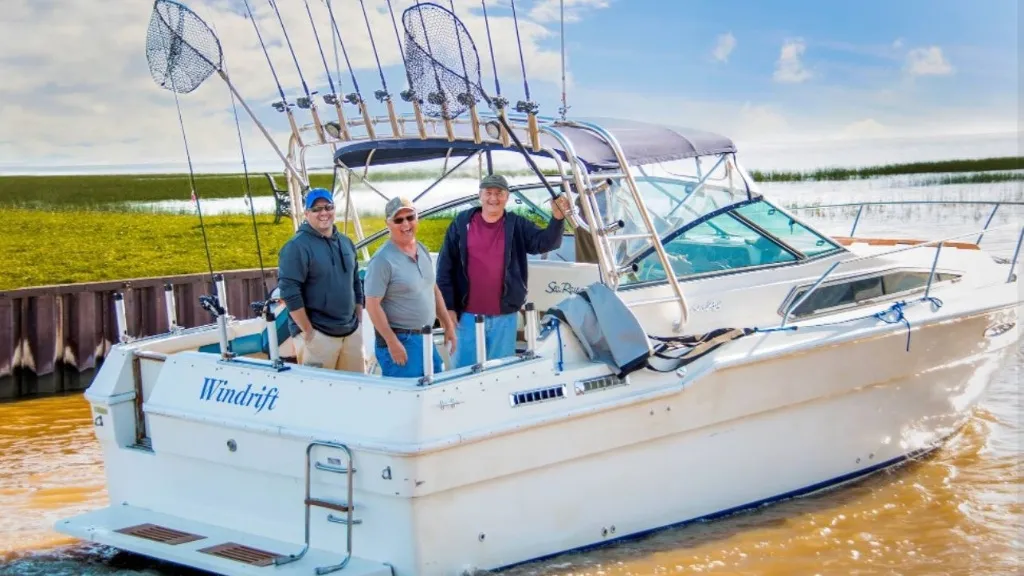
Windrift Sport Fishing offers guided fishing trips designed to help anglers enjoy Michigan's walleye waters with confidence. Each outing is planned according to current river conditions, providing opportunities to learn more about fish movement while enjoying a well-organized day on the water with experienced local guidance.
Conclusion
Understanding when walleye move through the Saginaw River and where they hold under different conditions can make every fishing trip more productive. Seasonal timing, river flow, and adapting your approach all play an important role in finding active fish. Saginaw River Walleye Fishing rewards anglers who pay attention to these changing patterns instead of relying on the same strategy throughout the year. Contact Windrift Sport Fishing to start planning your next day on one of Michigan's most popular walleye rivers.
FAQs
1. When is the best month for Saginaw River walleye fishing?
April is often considered the peak month because large numbers of walleye move through the river during the spawning run. Fishing can also be productive in late winter, early spring, and again during the fall.
2. Why do walleye enter the Saginaw River each year?
Walleye migrate into the river primarily for spawning as water temperatures begin to rise. After spawning, many fish gradually return toward Saginaw Bay, while others remain in the river for varying periods depending on conditions.
3. What river conditions improve walleye fishing success?
Stable river flow, suitable water temperatures, and moderate clarity often create favorable fishing conditions. Monitoring these factors before your trip helps you choose productive locations and adjust your presentation throughout the day.
4. Is the Saginaw River suitable for beginner anglers?
Yes. The river offers opportunities for anglers of all experience levels. Learning seasonal fish movement, practicing basic techniques, and fishing during peak migration periods can help beginners enjoy more consistent success.
5. Do I need a fishing license to fish the Saginaw River?
Yes. Anyone planning to fish the Saginaw River should carry a valid fishing license and follow current Michigan fishing regulations, including seasonal rules, size limits, and daily catch limits where applicable.
6. How does weather affect walleye movement in the river?
Weather can influence water temperature, river flow, and fish activity. Sudden rain, strong winds, or rapid temperature changes may cause walleye to shift locations, requiring anglers to adapt their fishing strategy accordingly.
7. Which areas of the river usually hold walleye?
Current breaks, deep bends, bridge pilings, and the river mouth are common holding areas. These locations provide shelter from strong current while offering convenient feeding opportunities as baitfish move through the river.
8. What is the most effective technique for river walleye?
The best technique depends on water conditions, but jigging, drift fishing, and controlled presentations near the bottom consistently produce good results because they keep the lure where walleye are most likely to feed.
9. Can I fish the Saginaw River outside the spring season?
Yes. While spring is the most popular period, fall also provides productive fishing as walleye increase their feeding activity before winter. Success depends on changing river conditions and seasonal fish movement.
10. Should I book a guided trip before peak season?
Booking early is recommended because spring attracts many anglers to the Saginaw River. Reserving your preferred date in advance provides greater flexibility and increases your chances of securing your preferred trip schedule.