%2Ffit-in%2F250x250%2Fguide_websites%2F1834%2Fimages%2Fimageedit_1_3071424656.png&w=1920&q=100)
Planning Your First Lake Huron Fishing Charter
%2Ffit-in%2F1000x1000%2Ffilters%3Aformat(webp)%2Fguide_websites%2F1834%2Fimages%2Fdoug.jpg&w=1920&q=75)
Published: August 18, 2026
Booking your first fishing charter can feel unfamiliar when you don't know what happens before, during, or after the trip. The process becomes easier when you understand what to ask, what to bring, and how the timing of your trip can affect the experience. A Lake Huron Fishing Charter also gives first-time anglers an opportunity to learn directly on the water while the captain handles practical details such as finding productive areas. Knowing what to expect helps you arrive prepared and enjoy the day.
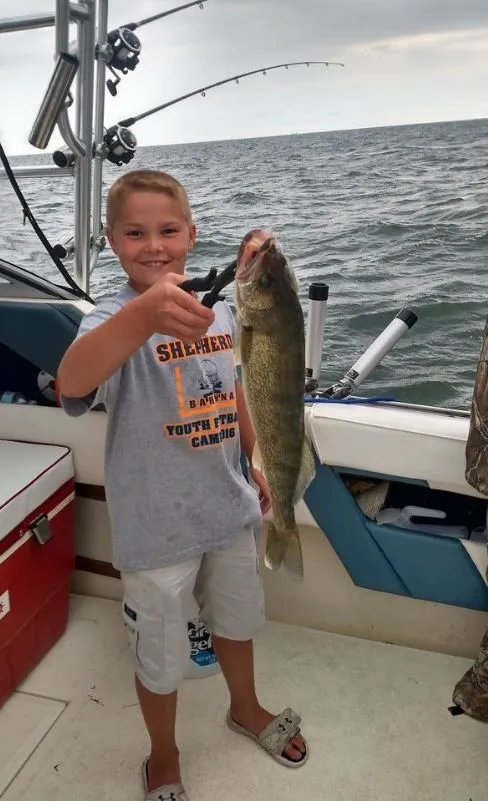
What Your First Charter Day Will Actually Look Like
Your first charter starts before the boat reaches the fishing grounds. Knowing the basic sequence helps you arrive prepared, understand what the captain expects, and feel more comfortable once the boat leaves the dock.
- Before Departure: Meet the captain and settle in.
- Leaving the Dock: Listen to safety instructions carefully.
- Once Fishing Starts: Learn how equipment is handled.
- During the Trip: Follow changes in fishing strategy.
- Returning to the Dock: Return to the agreed meeting location.
What Should You Ask Before Booking?
A few practical questions can prevent confusion later. First-time anglers should understand what is included in the trip and what they need to arrange themselves before arriving at the marina.
- Trip Length: Confirm the number of hours included.
- Equipment: Ask which fishing gear is provided.
- Target Species: Find out which fish species are typically targeted.
- Departure Location: Confirm the exact meeting point.
- Weather Policy: Ask about cancellations and rescheduling.
- Group Size: Confirm the boat's passenger capacity.
Picking the Right Time for Your Trip
The best charter date depends partly on the type of fishing experience you want. Seasonal changes affect water conditions and fish behavior, so the same location can offer a different experience throughout the year.
Spring
Spring brings the lake out of winter conditions, with cooler water and changing fish activity. Early-season trips can require more attention to weather and clothing.
- Conditions:
- Pack layers for changing temperatures.
- Mornings may feel noticeably cooler.
- Expect cooler early-season water.
- Trip Planning:
- Check recent fishing activity.
- Review weather before booking.
- Keep dates somewhat flexible.
Summer
Summer brings warmer temperatures and longer daylight hours. Fish may move into different depths as water temperatures rise, making flexibility useful during a charter.
- Conditions:
- Prepare for warmer daytime temperatures.
- Watch changing wind conditions.
- Expect different fish depths.
- Trip Planning:
- Check recent fishing reports.
- Consider earlier departure times.
- Confirm conditions before traveling.
Fall
Fall creates another major seasonal transition as water temperatures begin dropping. Changing weather and shorter daylight hours make conditions worth checking before your scheduled trip.
- Conditions:
- Bring layers for temperature changes.
- Monitor wind before departure.
- Expect rapidly changing weather.
- Trip Planning:
- Review recent fishing activity.
- Check the extended forecast.
- Keep plans flexible when possible.
What Should You Bring on the Boat?
A first charter does not require a large collection of personal fishing gear. Most of the important fishing equipment is typically handled as part of the trip, but a few personal items can make the day more comfortable.
- Clothing:
- Dress in easy layers.
- Bring waterproof outer clothing.
- Pack an extra shirt.
- Sun Protection:
- Bring polarized sunglasses.
- Use sunscreen throughout the day.
- Wear a comfortable hat.
- Food and Drinks:
- Bring enough water.
- Pack simple meals or snacks.
- Avoid excessive alcohol before departure.
- Personal Items:
- Bring required medications.
- Keep valuables securely stored.
- Protect phones from water.
- Fishing License:
- Confirm current Michigan requirements.
- Carry required documentation onboard.
- Check regulations before departure.
How the Captain Chooses Where to Fish
A charter does not necessarily stay in one location for the entire trip. The captain can use current conditions and recent fishing information to decide where to begin and when a move may be worthwhile.
Recent catch information can provide useful clues about fish location, but conditions on the actual day matter more. Wind direction, water temperature, clarity, and bait movement can change where fish are holding.
The captain may also adjust the fishing depth or presentation after the first few stops. A recent Lake Huron Fishing Report can provide useful background, but observations on the water help determine the day's approach.
What Happens If the First Spot Isn't Producing?What Happens If the First Spot Isn't Producing?
Not catching fish immediately does not necessarily mean the trip is going poorly. Fish can move, feeding activity can change, and conditions may make one area more productive than another.
- No Bites: The captain may test another depth or nearby location.
- Fish Are Holding Deeper: Equipment and presentations can be adjusted to reach the active fish.
- Wind Picks Up: Stronger winds may affect boat positioning, water clarity, and the areas that can be fished comfortably.
- Fish Move: Changing locations is a normal part of fishing rather than an indication that the original plan was wrong.
Making the Most of Your First Day
A first charter is easier when you treat it as both a fishing trip and a chance to learn. You do not need to arrive with advanced knowledge or know exactly how every piece of equipment works.
- Listen First: Follow the captain's instructions before handling unfamiliar equipment.
- Ask Questions: Speak up when you don't understand a technique.
- Stay Flexible: Be prepared for changes in location or presentation.
- Watch the Water: Pay attention to what the captain observes.
- Enjoy the Process: Focus on learning rather than expecting constant action.
How to Handle Your First Charter Experience
A successful first charter is not measured only by the number of fish caught. Paying attention to the process, following instructions, and staying comfortable can make the experience more useful and enjoyable from start to finish.
- Follow Instructions: Listen before trying new techniques.
- Ask Questions: Clarify anything unfamiliar during fishing.
- Stay Patient: Fishing activity can change quickly.
- Watch Conditions: Notice how weather affects fishing.
- Respect Equipment: Handle provided gear carefully.
How Windrift Sport Fishing Helps First-Time Charter GuestsHow Windrift Sport Fishing Helps First-Time Charter Guests
A first trip is easier when anglers understand what to expect on the water. Windrift Sport Fishing provides guided fishing outings where the captain can adjust the day's approach according to current conditions, fish movement, and the goals of the group.
For anglers unfamiliar with Lake Huron, having an experienced captain handle navigation, fishing locations, and changing presentations can make the day more straightforward. Guests can focus on learning the techniques being used and participating in the fishing rather than trying to manage every part of the outing themselves.
Conclusion
Your first charter does not require advanced fishing knowledge. Arriving prepared, asking useful questions, listening to the captain, and staying flexible can make the experience much easier. Seasonal conditions may influence where fish are found, so keeping realistic expectations is important. A Lake Huron Fishing Charter also provides an opportunity to learn how experienced anglers respond to changing conditions while spending time on the water. Contact Windrift Sport Fishing to discuss your trip and plan a day that fits your fishing goals.
FAQs
1. Do I need fishing experience for my first charter?
No. Beginners can join a charter without advanced fishing knowledge. The captain can explain equipment, techniques, and basic procedures, allowing first-time anglers to learn while actively participating throughout the trip.
2. What should I wear on a Lake Huron charter?
Wear comfortable layers that can handle changing temperatures and wind. Bring waterproof outerwear, suitable footwear, sunglasses, sunscreen, and an extra layer because conditions on the lake can change.
3. Do fishing charters provide rods and tackle?
Many charter trips provide the necessary fishing equipment, but arrangements can vary. Confirm what is included before booking so you know whether you need to bring anything specific.
4. How early should I arrive for my charter?
Arrive with enough time to locate the meeting point, park, organize personal belongings, and meet the captain before departure. Confirm the recommended arrival time when making your reservation.
5. What happens if the weather changes?
The captain monitors conditions throughout the trip and may adjust the fishing location or approach when weather changes. Unsafe conditions can also affect departure plans, depending on circumstances.
6. Can I bring food and drinks aboard?
Most anglers bring water and simple snacks for longer outings. Ask the captain about specific boat policies, storage space, and anything that may not be permitted before your scheduled trip.
7. Do I need a fishing license for my charter?
Fishing license requirements depend on current Michigan regulations and the type of fishing activity. Confirm the applicable requirements before your trip and make sure you have required documentation.
8. What fish can I target on Lake Huron?
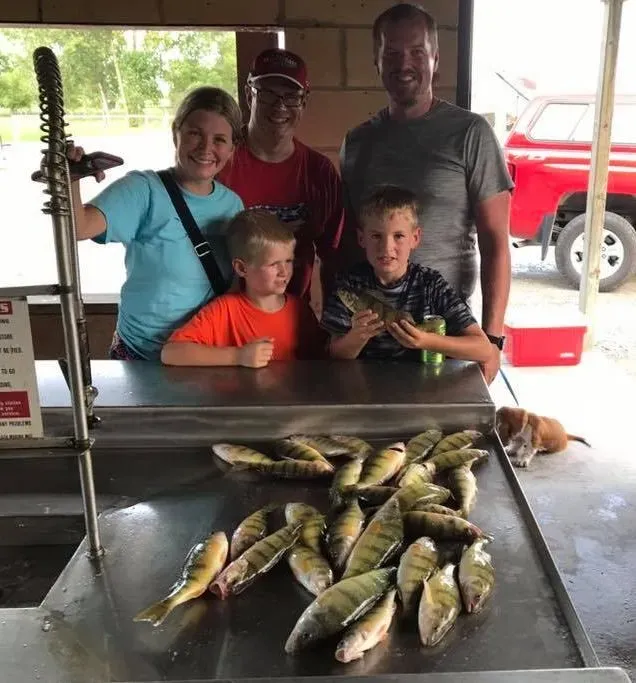
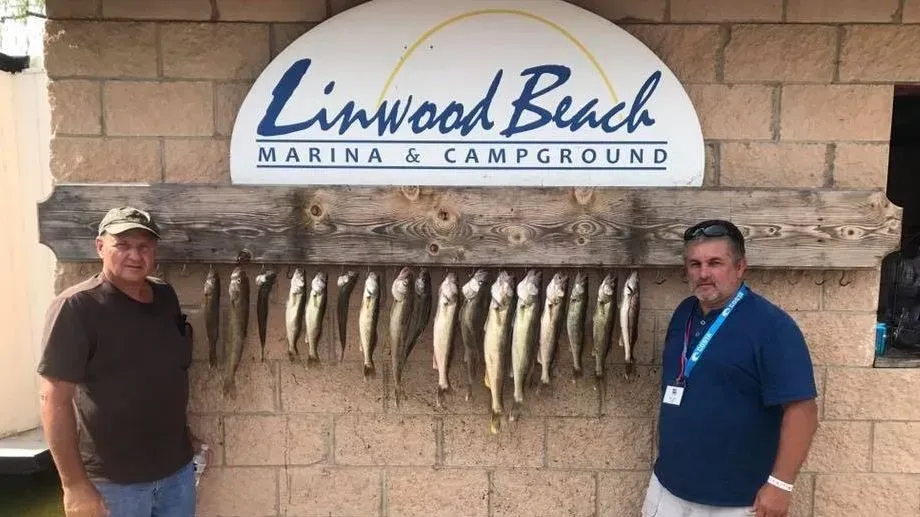
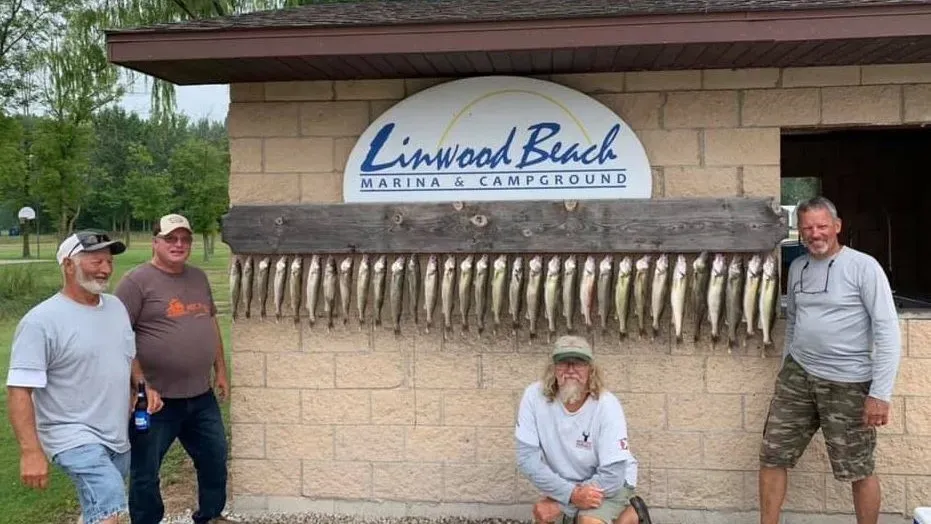
Target species vary by season, location, and current fishing conditions. Walleye and yellow perch are among the species anglers may pursue, while availability can change throughout the year.
9. What happens if we aren't catching fish?
The captain can evaluate conditions and adjust location, depth, or presentation when fishing slows. Moving to another area may be appropriate when fish activity changes during the trip.
10. What should I ask before booking a charter?
Ask about trip duration, departure location, equipment, target species, group size, weather policies, and costs. Understanding these details beforehand helps prevent surprises and makes planning your first charter easier.