%2Ffit-in%2F250x250%2Fguide_websites%2F1834%2Fimages%2Fimageedit_1_3071424656.png&w=1920&q=100)
Lake Huron Fishing Report: Walleye and Perch Update
%2Ffit-in%2F1000x1000%2Ffilters%3Aformat(webp)%2Fguide_websites%2F1834%2Fimages%2Fdoug.jpg&w=1920&q=75)
Published: August 18, 2026
Checking a fishing report before heading to the lake can save time and help you make better decisions once you're on the water. Instead of simply showing where fish were caught, a good report explains how weather, water temperature, and seasonal patterns influence fish movement. Understanding these updates allows anglers to adjust their plans rather than rely on yesterday's success. A well-read Lake Huron Fishing Report helps you prepare for changing conditions and fish with greater confidence.
Why Fishing Reports Change Throughout the Season
Fishing reports are constantly changing because Lake Huron never stays the same for long. Wind direction, water temperature, baitfish movement, and weather patterns can all influence where fish gather and how actively they feed. A productive location one week may become much slower after a few days of changing conditions.
Reports also reflect what anglers experienced during a specific period rather than guaranteeing identical results for everyone. Looking at overall trends instead of focusing on a single successful catch gives you a better understanding of how the lake is behaving.
For that reason, experienced anglers use fishing reports as a planning tool instead of a prediction. Combining recent information with current weather and lake conditions often leads to better decisions once you're on the water.
Walleye Update: Understanding Changing Fish Patterns
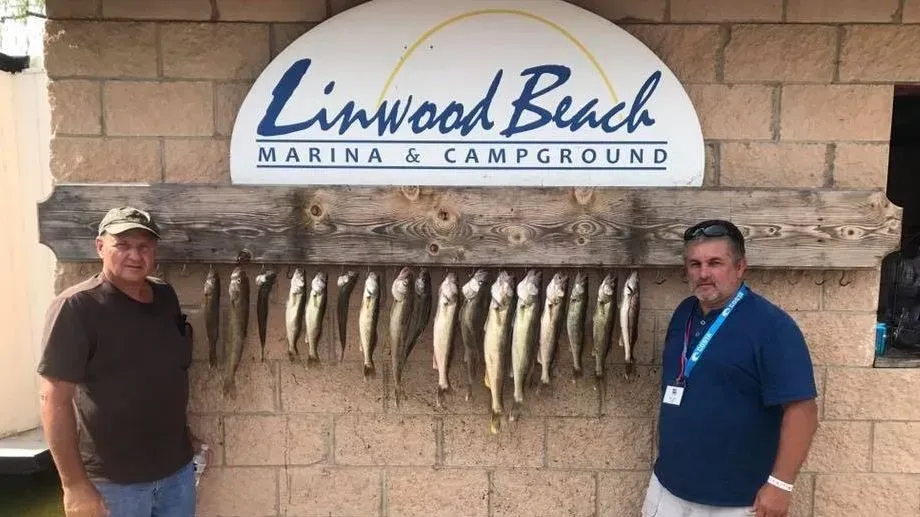
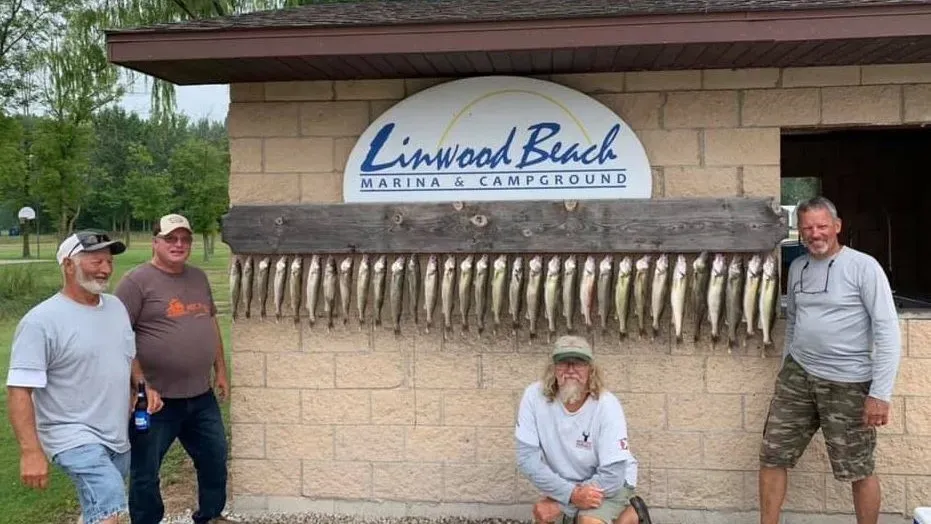
Walleye location often changes as summer progresses. Rising water temperatures, shifting baitfish, and changing wind patterns encourage fish to move between shallow feeding areas and deeper sections of the lake. Reading these trends helps anglers spend less time searching and more time fishing productive water.
Seasonal Transition
- Movement: As surface temperatures increase, many schools gradually shift toward deeper, cooler water where conditions remain more stable, and food is readily available.
- What It Means: Rather than returning to the same location every trip, anglers should be prepared to adjust both their fishing depth and search area as conditions evolve.
Areas That Often Receive Attention in Reports
- Outer Saginaw Bay: Many reports highlight offshore areas where Walleye fishing in Saginaw Bay becomes more consistent as fish move away from shallow spring locations.
- Port Sanilac and Harbor Beach: During warmer periods, suspended fish may be found over deeper water, making depth management an important part of a successful presentation.
- Black River and Port Huron: Strong north winds can temporarily improve shoreline opportunities by changing water movement and concentrating baitfish closer to shore.
Productive Presentations Reported by Anglers
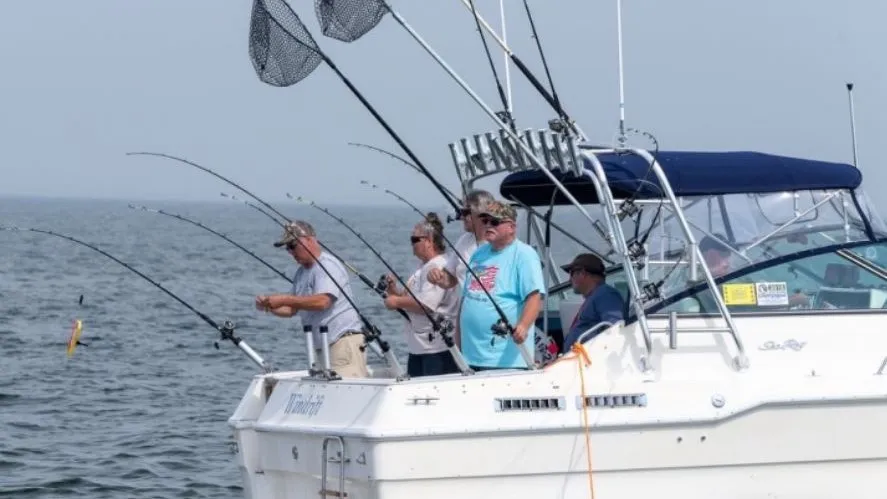
- Crawler Harnesses: A dependable choice when trolling because the natural presentation appeals to actively feeding walleye across a range of water conditions.
- Small Spoons: Effective for covering water and locating suspended fish, especially when baitfish are holding in deeper areas.
- Planer Boards: Help spread lines away from the boat, allowing anglers to cover more water without disturbing fish in clearer conditions.
- Trolling Speed: Small speed adjustments can change lure action and often make the difference between occasional bites and steady action.
Yellow Perch Update: Finding Active Schools
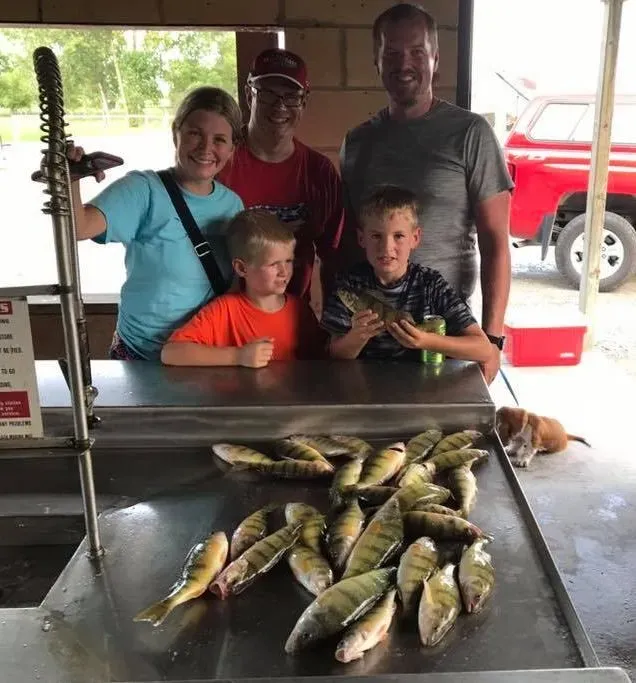
Perch fishing reports often focus less on trophy catches and more on where active schools are being found. Catch rates may range from steady to slow depending on recent weather, water clarity, and fishing pressure, so understanding these trends helps set realistic expectations before your trip.
Current Activity
- Catch Trends: Fishing may vary from day to day, with short periods of steady action followed by slower fishing as schools relocate.
- School Movement: Rather than staying in one place, perch often shift to nearby structure when food availability or lake conditions change.
Areas Commonly Mentioned in Reports
- Port Sanilac: Weed edges in moderate depths frequently receive attention when anglers report consistent perch catches.
- Les Cheneaux Islands: This area is regularly monitored because changing seasonal conditions can attract feeding schools.
- Hessel Marina Area: Nearby structure and protected water may produce opportunities when perch move through the area.
Adjustments That Often Improve Results
- Boat Position: A slow drift usually covers more water than anchoring immediately and helps anglers locate active schools before settling into one area.
- Bait Choice: Live minnows and worms both produce fish, but trying each can help determine what perch prefer on a particular day.
- Bird Activity: Diving birds often indicate concentrations of baitfish, making them a useful visual clue when searching for different fish species.
Lake Huron Conditions That Influence Fishing
Understanding a few key conditions makes fishing reports easier to interpret. Instead of focusing only on where fish were caught, pay attention to the factors that explain why fishing improved or slowed.
Water Temperature
Water temperature influences fish location throughout the season. Walleye and perch adjust their depth as temperatures change, making this one of the first details anglers should check before fishing.
Wind Direction
Wind affects wave action, water clarity, and baitfish movement. A change in wind direction can quickly shift productive fishing areas and influence where fish are actively feeding.
Water Clarity
Clear or stained water changes how fish respond to different presentations. Adjusting lure colors and fishing depth based on visibility often improves success under changing lake conditions.
Time of Day
Early morning and late evening commonly produce increased fish activity. Lower light conditions encourage feeding, making these periods popular among anglers planning productive outings.
Weather Changes
Passing weather systems can temporarily slow fishing before activity improves again. Monitoring forecasts alongside fishing reports helps anglers prepare for changing conditions and adjust their expectations accordingly.
Using a Fishing Report Before You Launch
Reading a fishing report is only part of the planning process. Combining that information with your own preparation helps you make better decisions before leaving the dock and while you're on the water.
Review the latest Lake Huron Fishing Report alongside the weather forecast instead of relying on one source alone. Pay attention to changing wind conditions, recent catch trends, and recommended fishing depths. Before launching, make sure you have a valid fishing license, inspect your equipment, and pack clothing suitable for changing lake conditions.
Choosing a Guided Trip During Changing Conditions
Changing lake conditions can make fishing challenging, especially if you're unfamiliar with Lake Huron. Fishing with an experienced guide allows you to spend less time searching and more time learning how seasonal patterns influence fish movement.
Before booking, compare trip duration, equipment provided, and guide rates to understand what's included. Asking about the captain's approach to changing weather and seasonal fish movement can also help you choose a trip that matches your expectations and experience level.
How Windrift Sport Fishing Adapts to Changing Lake Conditions
Lake Huron conditions can change from one day to the next, which is why flexibility is an important part of a successful fishing trip. Water temperature, wind direction, and fish movement all influence where productive fishing takes place throughout the season.
Windrift Sport Fishing plans each outing around current lake conditions rather than relying on the same locations every trip. By adapting to seasonal fish movement and changing water conditions, anglers can spend more time fishing productive areas and enjoy a better overall experience on Lake Huron.
Conclusion
No fishing report can guarantee exactly what you'll find once you're on the water, but it can provide valuable insight that helps you prepare for changing conditions. Understanding seasonal fish movement, weather patterns, and current lake conditions allows anglers to make better decisions throughout the day. Checking a Lake Huron Fishing Report before every trip is a simple habit that can improve planning, reduce unnecessary guesswork, and lead to a more enjoyable fishing experience. Contact Windrift Sport Fishing to plan your next Lake Huron adventure.
FAQs
1. How often should I check a Lake Huron fishing report?
Fishing reports should be checked before every trip because weather, wind, and water conditions can change quickly. Reviewing the most recent information helps anglers prepare for current fishing conditions instead of relying on outdated reports.
2. Can a fishing report guarantee good catches?
No. Fishing reports summarize recent conditions and catches, but fish movement changes daily. They are best used as planning tools that help anglers understand trends rather than predict exact results.
3. Why do walleye locations change throughout the season?
Walleye move in response to water temperature, baitfish availability, and weather conditions. As these factors change, anglers often need to adjust their fishing depth, location, and presentation to stay productive.
4. What information should I look for in a fishing report?
Focus on water temperature, weather, wind direction, recent catch information, productive depths, and bait recommendations. Together, these details provide a better understanding of current fishing conditions across Lake Huron.
5. Do perch fishing reports differ from walleye reports?
Yes. Perch reports often emphasize school locations, bottom structure, and bait preferences, while walleye reports commonly highlight trolling depths, fish movement, and productive offshore areas during different seasons.
6. Why is wind direction included in fishing reports?
Wind affects water clarity, baitfish movement, and wave conditions. These changes influence where fish gather, making wind direction one of the most valuable details included in many fishing reports.
7. Should I still go fishing if the report seems slow?
A slower report doesn't always mean poor fishing. Conditions can improve throughout the day, and adjusting your location or presentation may still produce successful results despite lower reported catch rates.
8. Do I need a fishing license before using a charter service?
Michigan fishing regulations apply regardless of how you fish. Always confirm licensing requirements before your trip and carry a valid fishing license whenever required by current state regulations.
9. How do fishing reports help first-time anglers?
Fishing reports provide useful information about current lake conditions, helping beginners understand where fish are active, what techniques are working, and how to prepare before heading onto the water.
10. Are fishing reports useful throughout the entire year?
Yes. Seasonal reports help anglers understand changing fish behavior during spring, summer, fall, and winter, allowing them to adjust their fishing strategy as lake conditions continue to evolve.